
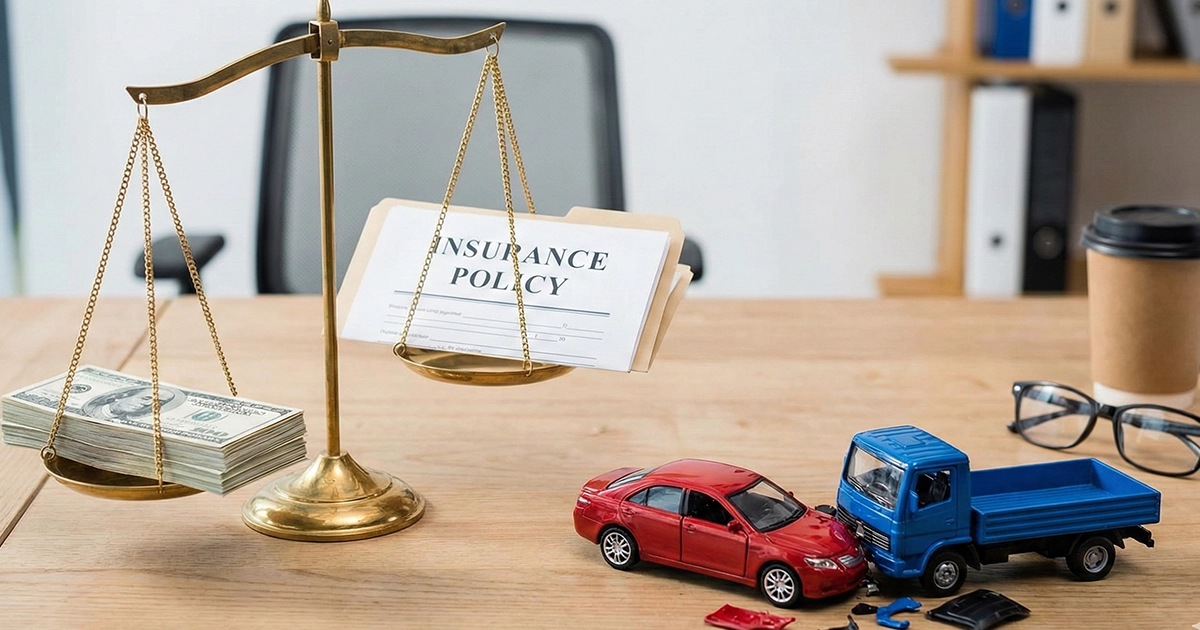
After a car accident, one of the biggest concerns drivers have is whether their insurance rates will increase, and by how much. While accidents are often unavoidable, insurance companies view them as indicators of future risk. As a result, premiums frequently rise after a claim is filed, especially if the driver is found at fault.
For drivers in Houston, heavy traffic, weather-related crashes, and high accident rates can further influence how insurers calculate premium adjustments. Consulting with our motor vehicle accident lawyer in Houston can help you understand your options, protect your rights, and potentially minimize the impact on your insurance rates.
Why Insurance Rates Increase After an Accident
Insurance companies determine premiums based on risk. When a claim is filed, insurers reassess the likelihood of future claims by reviewing accident details, fault, vehicle type, and the driver’s overall history. Generally, the more costly or severe the accident, the higher the potential rate increase.
Even minor accidents can lead to higher premiums, although the impact is usually smaller if damages are limited and the driver has a clean record. In Texas, insurers must still follow underwriting and rate-setting standards outlined in the Texas Insurance Code § 544.002.
Factors Affecting Insurance Increases
Insurance rate increases after an accident are influenced by several key factors. Understanding these can help you anticipate changes to your premium and make informed decisions when dealing with insurers.
- Fault Determination: At-fault accidents almost always result in higher premium increases than no-fault claims. Texas follows a proportionate responsibility rule under Texas Civil Practice and Remedies Code § 33.001, which can affect both liability and claim outcomes.
- Driving and Claim History: Drivers with prior accidents or claims typically face steeper increases.
- Vehicle Type: Vehicles with high repair or replacement costs often trigger larger premium hikes.
- Coverage Level: Full or comprehensive coverage policies usually experience bigger adjustments than minimum liability coverage.
How Much Do Rates Increase by Vehicle Type?
The type of vehicle involved in an accident plays a significant role in how much your insurance premiums may increase. Factors such as repair costs, risk of injury, and liability exposure all influence the adjustments insurers make.
Passenger Cars
For standard cars, at-fault accidents often lead to a 20%–50% increase in premiums. Minor accidents may result in smaller adjustments, especially if accident forgiveness applies.
Motorcycles
Motorcycle insurance tends to be more sensitive due to higher injury risks. Premiums may rise 30%–60% after an at-fault accident, particularly if injuries are involved.
Trucks and Commercial Vehicles
Commercial vehicles and heavy-duty trucks are considered high-risk. Insurance rates can jump 50% or more, depending on damage severity, liability exposure, and driving records.
Specialty Vehicles (ATVs, Golf Carts, RVs)
Specialty vehicles have unique insurance structures. Premium increases depend on how the vehicle is used, repair costs, and whether the accident occurred on public roads or private property.
Additional Post-Accident Factors Insurers Consider
Insurance companies take multiple variables into account beyond the accident itself, which can affect how much your premiums increase. Even accidents that appear similar may result in different rate adjustments depending on the specifics of the claim, your policy, and how insurers assess risk.
- Fault Allocation: Texas uses a comparative fault system, meaning responsibility may be shared between drivers under Texas Civil Practice and Remedies Code § 33.001.
- Repair and Medical Costs: High repair bills or medical expenses raise claim values and future premiums.
- Insurance Company Policies: Some insurers raise rates after any claim, while others offer accident forgiveness for first-time incidents. Insurers must still comply with fair claims handling laws under Texas Insurance Code § 541.060.
- Vehicle Safety Features: Advanced safety systems may reduce injury costs but increase repair expenses, influencing rate changes.
How to Reduce Insurance Increases After an Accident
While some premium increases are unavoidable, there are strategies drivers can use to minimize the financial impact. Taking proactive steps, understanding available programs, and consulting with a motor vehicle accident lawyer in Houston can help protect your rights and manage post-accident insurance costs.
- Accident Forgiveness Programs: Some insurers waive premium increases after a first qualifying accident.
- Defensive Driving Courses: Completing an approved course may help offset increases over time.
- Shopping for New Quotes: Comparing insurance providers can uncover better rates after an accident.
- Bundling Policies: Combining auto insurance with home or renters coverage can reduce overall premiums.
Myths About Insurance Increases
Several misconceptions exist regarding how accidents affect insurance premiums. Understanding the facts can prevent unnecessary worry and help drivers make informed decisions after a crash. Consulting a motor vehicle accident lawyer in Houston can also clarify potential impacts on both insurance and legal options.
- Not Every Accident Causes a Major Increase: No-fault or minor accidents may result in little to no change.
- Small Claims Don’t Always Raise Rates: Claims below your deductible or with minimal payouts may not affect premiums at all.
Managing Insurance After an Accident
An insurance increase after an accident can be stressful, but understanding how insurers calculate premiums puts you in control. Reviewing your policy, documenting the accident carefully, and exploring discounts or alternative insurers can make a meaningful difference.
With the right approach and guidance from Egbuonu Law Trial Lawyers, drivers can protect their finances, avoid unnecessary premium hikes, and move forward with confidence after an accident.
