
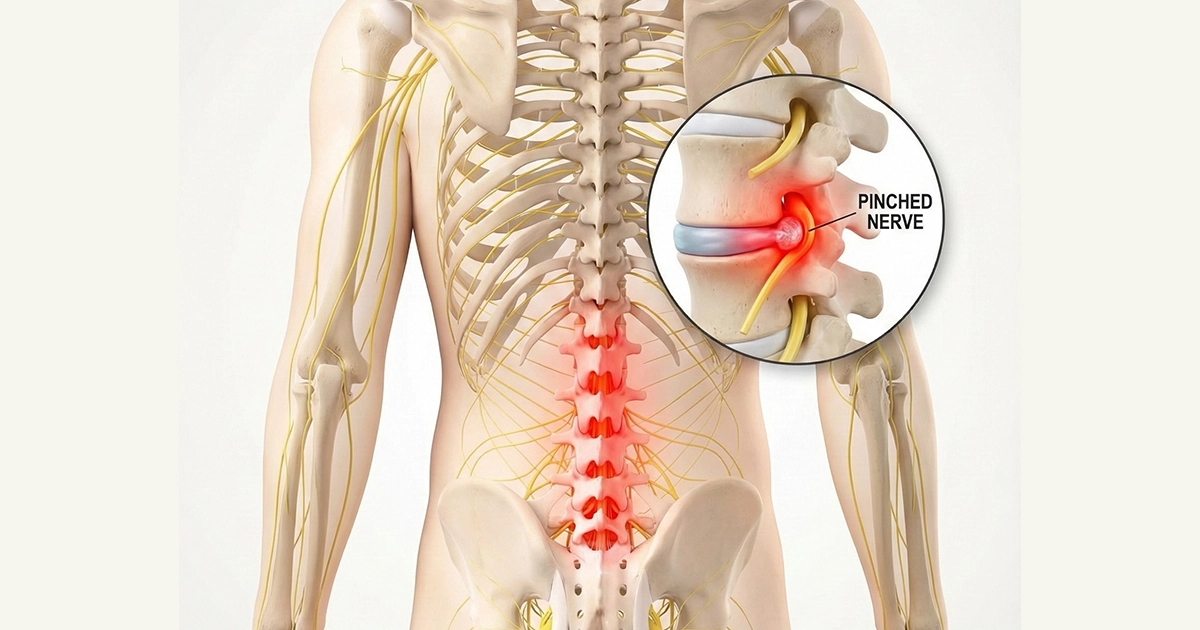
A pinched nerve is a painful condition that often occurs after car accidents, workplace injuries, slip and fall incidents, or other traumatic events. Symptoms can be confusing and disruptive to daily life, making early recognition important.
In personal injury cases, pinched nerves are often linked to spinal damage such as herniated discs, swelling, or direct nerve compression. Consulting a personal injury lawyer in Houston helps ensure proper documentation, medical care, and protection of your legal rights. These injuries can lead to long-term pain, lost income, and ongoing treatment.
Understanding What a Pinched Nerve Is
A pinched nerve occurs when excess pressure is placed on a nerve by surrounding tissues, such as bones, discs, muscles, or ligaments. This pressure interferes with the nerve’s ability to function properly, resulting in pain and neurological symptoms.
In accident-related cases, pinched nerves often develop when sudden force causes the spine to twist, compress, or hyperextend beyond its normal range. Even a seemingly minor incident can trigger nerve compression, especially when the spine absorbs unexpected impact.
Sensations of a Pinched Nerve
People experience pinched nerve symptoms differently, but most describe sensations that are distinct from ordinary muscle pain. Unlike muscle soreness, pinched nerve pain often follows a specific nerve pathway, making it feel as though the pain is traveling rather than localized. Common feelings include:
- Sharp or burning pain that may feel electric or stabbing
- Radiating pain that travels away from the source of the injury
- Tingling or “pins and needles” sensations
- Numbness or reduced sensation in specific areas
- Muscle weakness or loss of coordination
- Pain that worsens with movement, sitting, bending, or lifting
Where Pinched Nerve Symptoms Are Felt
The location of symptoms depends on which nerve is compressed. In personal injury cases, the most commonly affected areas include the neck and lower back.
Neck (Cervical Spine)
When a nerve in the neck is compressed, these injuries are often associated with rear-end collisions and other accidents involving whiplash. Symptoms may include:
- Pain radiating into the shoulder, arm, or hand
- Tingling or numbness in the fingers
- Weak grip strength or difficulty lifting objects
- Neck pain that worsens with head movement
Lower Back (Lumbar Spine)
Lower back nerve compression is frequently linked to car accidents, falls, and workplace injuries involving heavy lifting. Pinched nerves in the lower back commonly cause:
- Pain shooting down the buttock and leg (often called sciatica)
- Numbness or tingling in the foot or toes
- Leg weakness or instability
- Pain that worsens when sitting or standing for long periods
Why Symptoms Are Delayed
One of the most challenging aspects of a pinched nerve injury is that symptoms may not appear immediately. Adrenaline and shock can temporarily block pain signals, and as inflammation increases, nerve compression becomes more pronounced.
Many injury victims report that pain, numbness, or weakness develops hours or even days later. This delay can complicate injury claims if medical treatment is postponed. Proper documentation is essential because Texas Civil Practice & Remedies Code § 33.001 governs comparative responsibility, which can affect recovery if fault is disputed, and Texas Insurance Code § 542.003 ensures insurance companies handle claims fairly and promptly.
How a Pinched Nerve Affects Daily Life
A pinched nerve can significantly disrupt everyday activities. For working individuals, these limitations can lead to missed work, reduced productivity, or an inability to perform job duties, especially in physically demanding roles. Depending on severity, individuals may struggle with:
- Sitting, standing, or walking for extended periods
- Driving or commuting
- Lifting, gripping, or reaching
- Sleeping comfortably
- Concentrating due to persistent pain
Medical Evaluation and Diagnosis
Proper diagnosis is essential for treatment and legal documentation. Accurate medical records are crucial in personal injury claims. Under Texas Civil Practice & Remedies Code § 18.001, authenticated medical records and billing statements may be used as evidence. Physicians typically diagnose a pinched nerve using:
- Physical and neurological examinations
- Imaging studies such as MRI or CT scans
- Pain response testing and mobility assessments
Treatment Options and Recovery
Treatment for a pinched nerve depends on the severity of compression and the impact on daily functioning. Common treatment approaches include:
- Physical therapy to relieve pressure and restore mobility
- Pain management, including medications or injections
- Activity restrictions or modified work duties
- In severe cases, surgical intervention to relieve nerve compression
Some individuals recover within weeks or months, while others experience chronic pain or long-term nerve damage that requires ongoing care.
Why Pinched Nerves Matter
A pinched nerve is not a minor injury. Insurance companies often attempt to minimize nerve injuries by labeling them as temporary or pre-existing. However, medical evidence can demonstrate when an accident caused or aggravated the condition. Even if a person had prior spinal issues, the law allows recovery when trauma worsens an existing condition. When caused by negligence, it can result in:
- Ongoing medical expenses
- Lost wages and reduced earning capacity
- Chronic pain and physical limitations
- Reduced quality of life
When to Speak With a Lawyer
If you experience symptoms of a pinched nerve after an accident, it’s important to seek prompt medical attention and legal guidance. Early diagnosis and proper documentation help protect both your health and your right to compensation.
Egbuonu Law Trial Lawyers can determine if your injury was caused by another party’s negligence and pursue compensation for medical treatment, lost income, pain and suffering, and long-term disability. Acting early can significantly impact your recovery and financial stability.
