
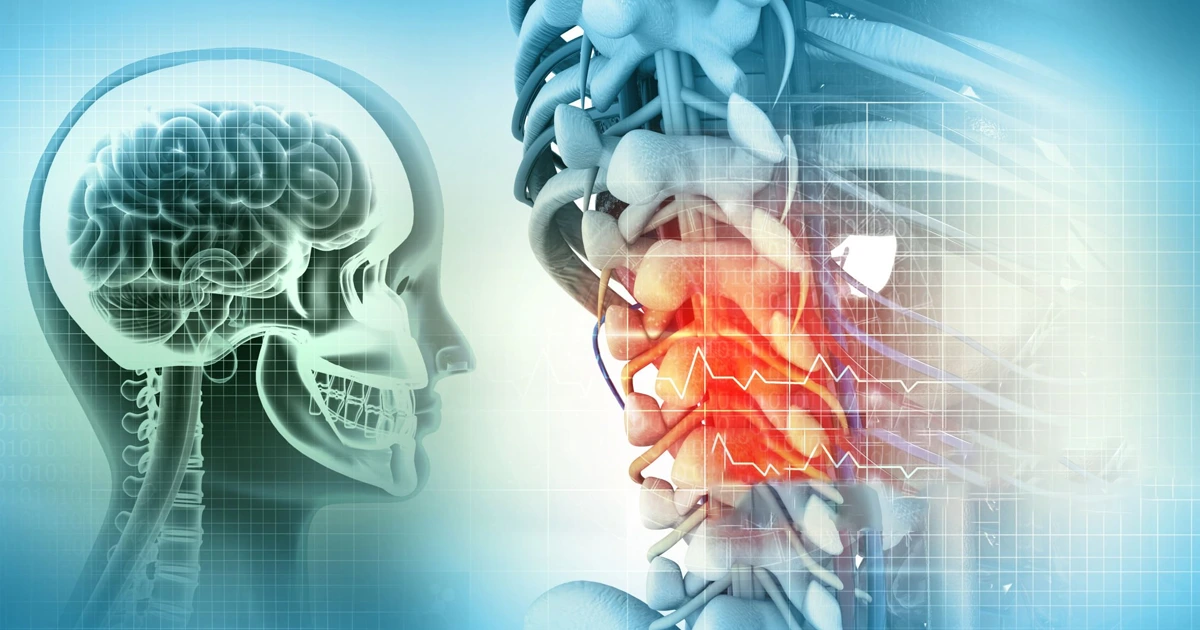
A spinal cord injury (SCI) affects more than just physical movement; it can profoundly alter brain function, cognition, and emotional well-being. When most people think of SCI, paralysis or loss of sensation is the first concern. Yet, the hidden cognitive and psychological effects are often overlooked, even though they significantly impact a person’s quality of life.
SCIs disrupt brain-body communication, leading to memory lapses and emotional strain. For those pursuing justice, a personal injury lawyer in Houston can help document these hidden effects in accordance with Texas Civil Practice & Remedies Code § 33.001, which outlines how compensation may be adjusted if the injured party shares responsibility for the accident.
Understanding Spinal Cord Injuries
The spinal cord is the brain’s communication highway, sending motor commands to muscles and relaying sensory input back. Damage from accidents, falls, sports injuries, or medical errors can disrupt these signals, affecting both body and brain. The severity, location, and type of injury determine its physical, cognitive, and emotional impact.
Complete Spinal Cord Injury
A complete SCI causes total loss of movement and sensation below the injury. Signals from the brain cannot reach the lower body, often resulting in paralysis and loss of bladder or bowel control. This lack of sensory input can also strain cognitive processes over time.
Incomplete Spinal Cord Injury
An incomplete SCI allows some signals to pass, preserving partial movement or sensation. Even a partial function still disrupts brain-body communication, requiring the brain to adapt. This can lead to cognitive and emotional challenges, though usually less severe than in complete injuries.
The overall recovery and compensation process is similar to other serious injuries, like personal injury settlements in Houston, where both visible and hidden effects are considered.
How Spinal Cord Injuries Affect Brain Function
SCIs disrupt normal nerve signaling, forcing the brain to work harder to interpret reduced sensory input. This extra effort can overload cognitive processes, leading to mental fatigue and “brain fog.” Common effects include:
- Memory and Concentration Problems: Difficulty focusing, slower information processing, and trouble multitasking.
- Executive Function Changes: Challenges with planning, organizing, decision-making, and managing daily tasks.
- Emotional and Psychological Impact: Anxiety, depression, frustration, and grief are linked to cognitive strain.
- Medication Side Effects: Drowsiness, mental fog, and reduced alertness from pain or muscle-relaxing drugs.
Even injuries like car accidents can have long-lasting cognitive consequences that mirror some effects seen in SCI patients.
Secondary Effects That Influence the Brain
Beyond direct brain effects, SCIs can trigger complications that further impair cognitive function. Disruptions in blood flow, inflammation, infection, and sleep issues can worsen mental clarity and processing. Key secondary effects include:
- Reduced Oxygen Supply: Blood pressure changes lower oxygen to the brain, causing confusion, dizziness, and slower thinking.
- Infection and Inflammation: Pneumonia, UTIs, or pressure sores increase systemic inflammation, leading to fatigue and memory issues.
- Sleep Disruption: Pain, discomfort, and limited mobility interfere with sleep, reducing focus, memory, and overall cognitive performance.
Secondary injuries may also affect how a case is handled. Deciding whether to file a claim after a crash or let it go depends on thorough documentation of the accident and its effects. Proper reporting under Texas Transportation Code § 550.022 ensures all relevant accident details are officially recorded and can influence personal injury claims.
Maintaining Brain Health After SCI
Long-term lifestyle changes after SCI, combined with early diagnosis and targeted interventions, are crucial for protecting brain function, mental clarity, and emotional well-being. Reduced mobility, social isolation, and caregiver dependency can heighten stress, while proper evaluation and rehabilitation support recovery. Key strategies include:
- Mobility & Exercise: Physical therapy and adapted activities maintain sensory input and cognitive function.
- Social Support: Interaction with family, caregivers, and peer groups improves emotional health and mental resilience.
- Neurological & Neuropsychological Testing: Exams and cognitive assessments identify impairments and guide rehabilitation plans.
- Brain Imaging: MRI, CT, and functional imaging detect structural or physiological changes and support legal documentation.
- Cognitive Rehabilitation: Targeted exercises strengthen attention, memory, planning, and reasoning.
- Psychological Support: Counseling, therapy, and support groups help manage anxiety, depression, and stress.
- Medication Management: Adjusting medications that impair cognition enhances focus and alertness.
- Routine & Memory Tools: Structured schedules, reminders, and assistive technologies reduce cognitive load and promote independence.
Documenting these changes is crucial in cases similar to personal injury lawsuits involving government agencies, where hidden effects influence outcomes.
Legal Considerations for Brain Effects of SCI
Documenting cognitive changes after SCI is essential for personal injury claims, as recognizing the full impact can improve compensation. Key steps include:
- Medical Evidence: Maintain thorough records, neurological exams, imaging, and treatment notes to support claims.
- Expert Testimony: Neurologists and neuropsychologists explain the severity and long-term brain effects to the court.
- Compensation Factors: Cognitive impairments affect claims for medical costs, therapy, lost wages, and long-term care. Recovery for non-economic damages may be limited under Texas Civil Practice & Remedies Code § 41.001, making thorough documentation of cognitive, emotional, and physical effects crucial.
A personal injury attorney specializing in SCI cases can identify symptoms, gather evidence, and secure expert evaluations. Early legal guidance ensures all brain-related and secondary effects are documented, protecting your rights and maximizing compensation.
Protecting Your Health and Legal Rights After SCI
Spinal cord injuries affect more than movement; they also alter brain function, cognition, and emotional well-being. Understanding these hidden effects is crucial for medical care, rehabilitation, and legal support. Early diagnosis, consistent treatment, lifestyle adjustments, and detailed documentation help SCI victims protect both their health and their financial future.
By recognizing the broad impact of SCI on the brain, patients, caregivers, and legal professionals, including experts at CE Law Office, can work together to ensure full recovery potential, improved quality of life, and fair compensation for all challenges caused by these life-altering injuries.
