
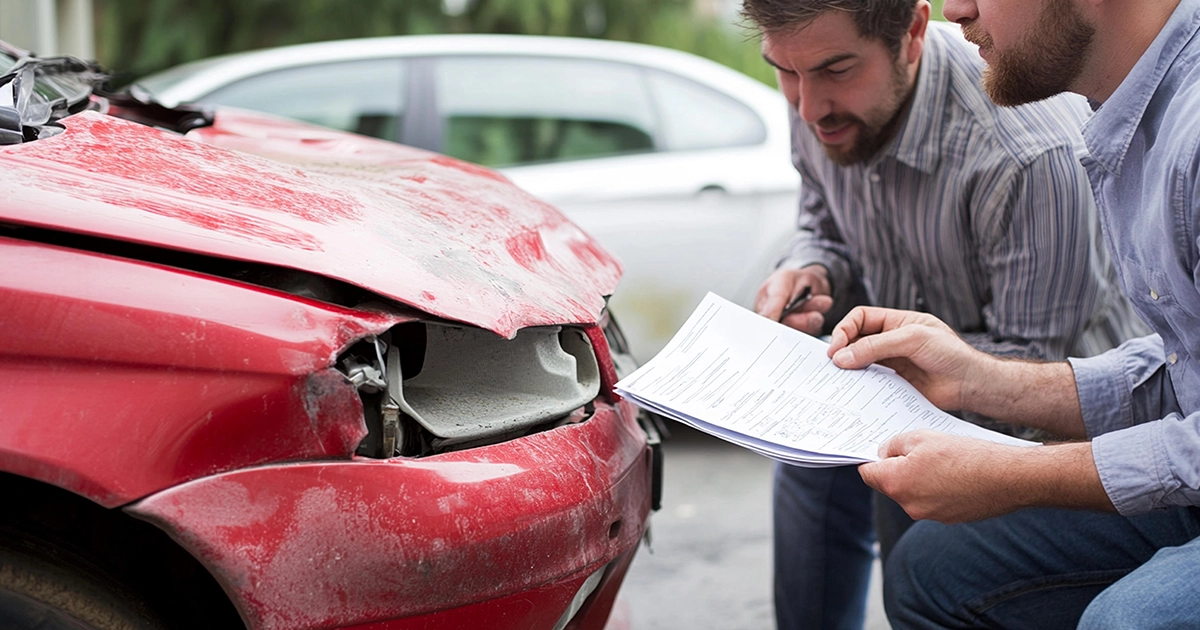
Property damage liability is a type of insurance coverage that pays for damage you cause to someone else’s property in an at-fault accident. This can include another vehicle, fences, buildings, or public property. Its primary purpose is to protect you financially from repair or replacement costs that may otherwise be your responsibility. Understanding property damage liability helps drivers in Texas make informed decisions about coverage, limits, and claims processes, especially in accidents where multiple parties or expensive property is involved. Consulting a Houston premises liability lawyer can also help ensure your rights are protected and provide guidance if complex property damage claims arise.
Understanding Property Damage
Property damage refers to harm or destruction caused to real or personal property.
- Real property: Permanent structures such as homes, buildings, driveways, and land.
- Personal property: Movable items such as cars, furniture, electronics, or valuables.
Property damage may involve physical destruction, loss of use, or diminished value, which can render the property unsafe, unusable, or significantly reduced in value. Recognizing the type and scope of damage is important when filing a claim or consulting with an insurance adjuster.
Types of Property Damage
Property damage typically falls into two major categories:
Physical or Structural Damage
Physical or structural damage refers to visible and measurable harm. Examples include dents, broken glass, cracked walls, destroyed components, or damaged vehicles. For instance, after a car collision, body dents, shattered headlights, or frame damage are considered physical property damage. Structural damage to buildings, fences, or public infrastructure may also fall under this category.
Loss of Use
Loss of use occurs when a property cannot be used due to damage. This may include needing a rental vehicle while your car is being repaired, or finding alternative housing if your home is temporarily uninhabitable. Both repair costs and temporary replacement expenses may be compensable under certain insurance policies.
Some claims may involve both types of damage. For example, a storm that damages a home can result in physical damage to the structure and a loss of use if the family must live elsewhere during repairs.
What Does Property Damage Liability Cover?
Property damage liability coverage generally applies to damage you cause to property owned by someone else. Coverage can include:
- Damage to vehicles: Dents, broken glass, and other repairs.
- Damage to structures: Fences, garages, walls, or buildings.
- Damage to public property: Street signs, guardrails, light poles, or medians
This coverage protects the at-fault driver from paying out-of-pocket for another person’s losses up to the policy limit.
Property Damage Liability Insurance
Property damage liability insurance is included in most auto insurance policies. It covers the costs of repairs or replacement of damaged property caused by an at-fault driver. The claims process typically includes:
- Reporting and Documentation: Photos, videos, police reports, and witness statements.
- Fault Determination: The insurer determines who is responsible for the accident.
- Damage Evaluation: Adjusters review repair estimates and inspect damages.
- Payment: Funds are issued to repair shops or property owners based on policy terms.
Delays or disputes can occur, making thorough documentation critical.
Property Damage in Auto Accidents
Auto accidents are a frequent source of property damage liability claims. Common types of auto property damage include:
- Dented body panels.
- Broken headlights or taillights.
- Damaged bumpers.
- Broken glass.
- Bent frames.
- Airbag deployment.
- Damage to installed equipment or personal items inside the vehicle.
Texas law requires drivers to carry minimum property damage liability coverage to ensure that other parties can be compensated for damages caused by at-fault drivers.
Property Damage to Homes and Structures
Property damage can affect homes, commercial buildings, and other structures. Common examples include:
- Roof leaks or structural damage.
- Foundation cracks.
- Fire or smoke damage.
- Water damage from leaks or burst pipes.
- Damage to fences, garages, sheds, or outdoor structures.
Coverage often depends on policy terms, cause of damage, and exclusions. Homeowners’ insurance generally covers sudden and accidental damage but may exclude gradual deterioration, flooding, or intentional acts.
Property Damage Liability Limits in Texas
Under Texas Transportation Code § 601.072, drivers must carry minimum liability insurance, including property damage coverage of at least $25,000 per accident. While this satisfies the legal minimum, higher coverage is recommended to protect against costly repairs or multi-vehicle accidents.
Example:
- The accident caused $80,000 in damage.
- Policy limit is $50,000.
- The insurer may pay $50,000; you could be responsible for $30,000.
This shortfall, called excess exposure, is a common cause of disputes and financial risk.
Steps to Take After Experiencing Property Damage
- Document the damage: Take photos and videos from multiple angles.
- Secure the property: Prevent further damage (e.g., cover broken windows).
- Obtain repair estimates: Collect multiple written estimates.
- Notify your insurance company: Report promptly and provide details.
- Keep all receipts: Temporary repairs, rental cars, lodging, and other related expenses.
These steps can strengthen your claim and reduce disputes.
How Much Property Damage Liability Do You Need?
Coverage should reflect your risk and potential repair costs. Consider:
- Newer vehicles have higher repair costs.
- Multi-vehicle accident risk.
- Damage to public or commercial property.
Choosing higher limits than the minimum reduces the risk of paying out-of-pocket expenses.
When to Speak With a Lawyer
Legal guidance may be needed if your property damage claim is complex or disputed. A Houston premises liability lawyer can help protect your rights and ensure insurers follow policy terms. Key situations include:
- Liability is disputed.
- Insurer delays, denies, or undervalues the claim.
- Damages exceed policy limits, creating personal exposure.
- Multiple parties are involved.
- Coverage exclusions or commercial-use issues arise.
Protect Your Interests
Property damage liability insurance safeguards you from financial loss when you cause damage to others’ property. Understanding coverage, limits, exclusions, and the claims process in Texas can prevent costly surprises. Consulting with Egbuonu Law Trial Lawyers can help manage disputes and ensure claims are handled fairly.
